Www.cdadc.Com
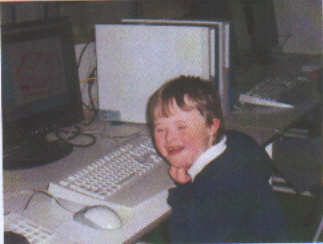
Written by health professionals: Doctor, M.D., Gastroenterology Prof., and others - easy to read. Kids with Down Syndrome love to play and work on computers.
www.Cdadc.com is focused on the Diagnosis, Treatment and Cure of Down syndrome and of its symptoms.

The professionals behind cdadc.com

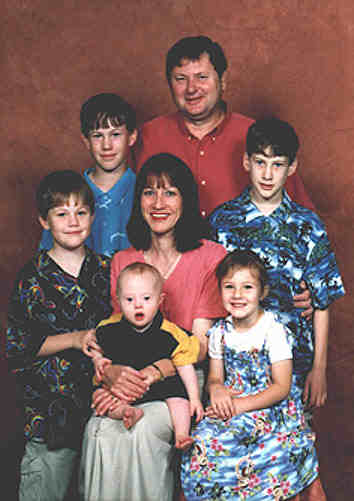
Donald Urquhart,(BA & DipAppPsy), Fully Registered Psychologist. Youngest has Down Syndrome.

Dr James Hogg, (BSc Oxon, MBBS & BA Hons), Medical Doctor, experienced and trained. A very welcome addition to www.cdadc.com
Dr. Annette Kirchgessner, Phd (Neuroscience), medical university Professor An incredible addition to our authors
Michael T. Sapko, M.D., Ph.D., professional medical writer, who goes to great lengths to get updated and relevant information into his articles.
Loni Ice, (CphT), Certified Pharmacy Technician - the one behind the counter you ask for help from. Strong interest in healing herbs.
Chris Urquhart, Student, studying for a social work degree. Has a passion for medical and veterinarian history and provides back up support, such as finding old photos. Not yet qualified to write for cdadc.com, but very useful to have around.

Cant see all the site links?

Scroll down so that the topic you are interested in is at the top of the screen and mouse over. Site appears to display best in IE, eg IE7. Screen resolution about 1200+ wide.

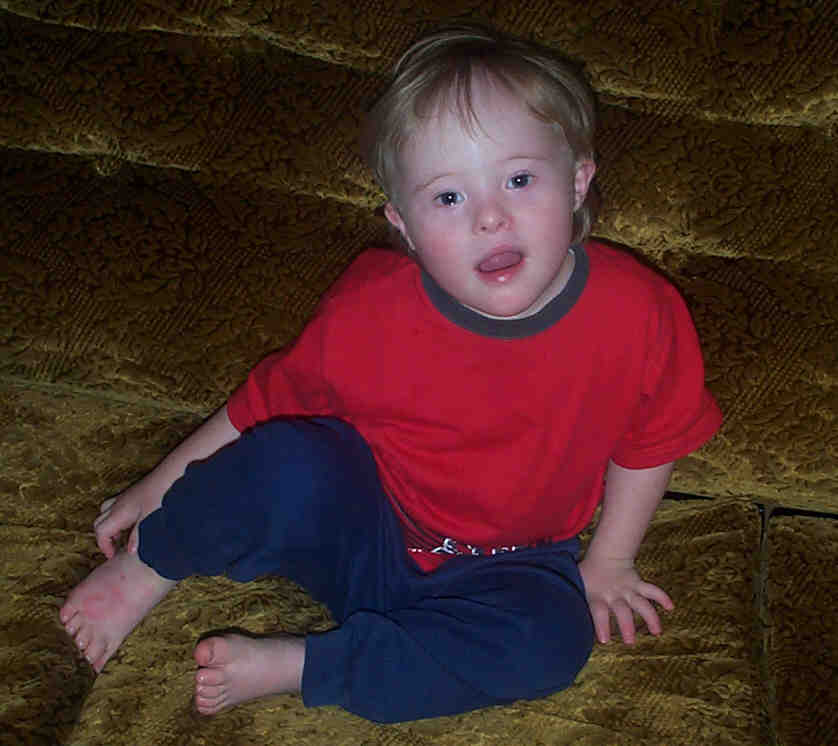
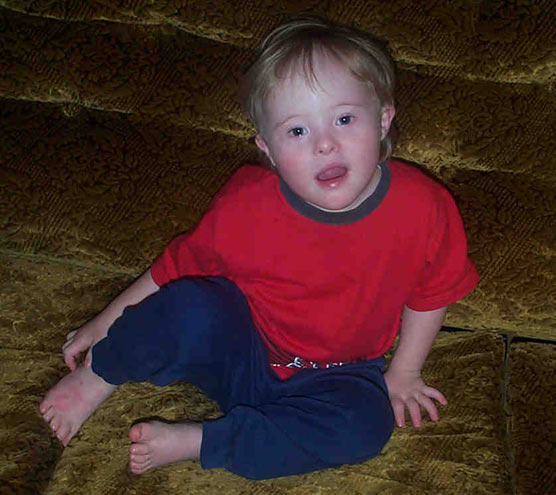
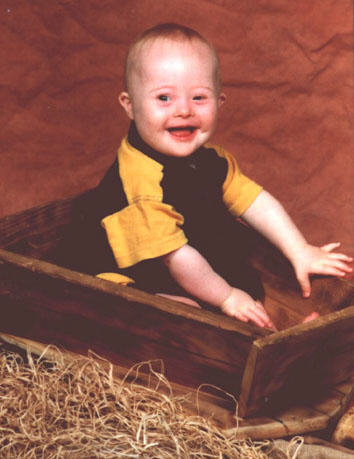
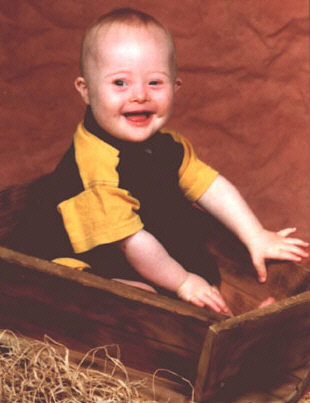
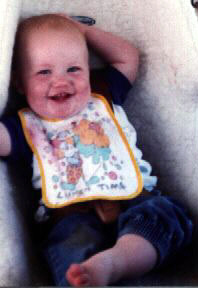
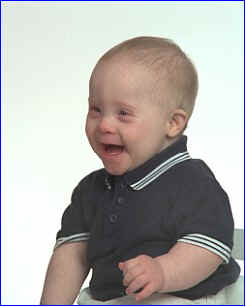
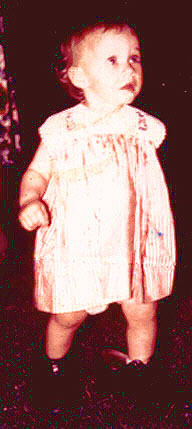
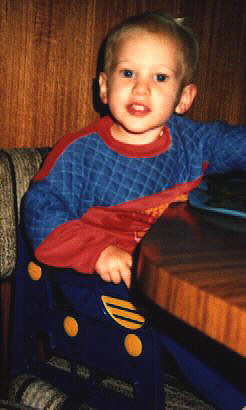
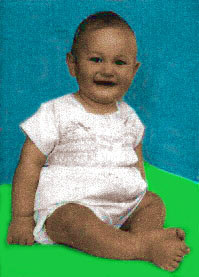
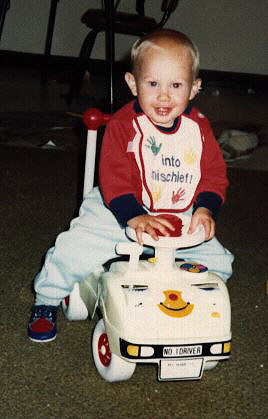
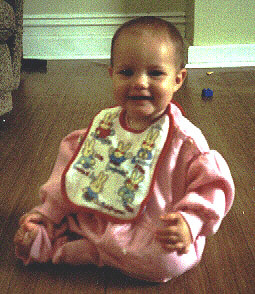
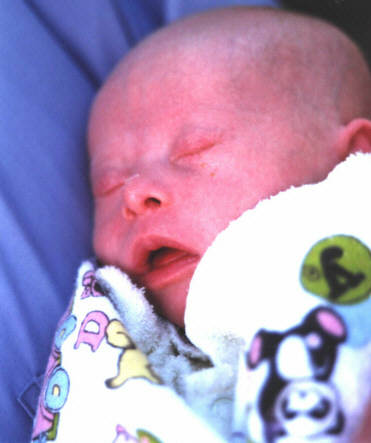
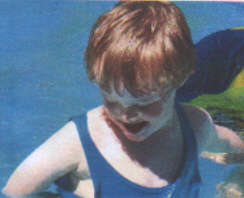
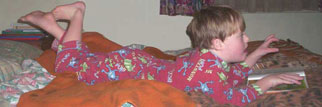
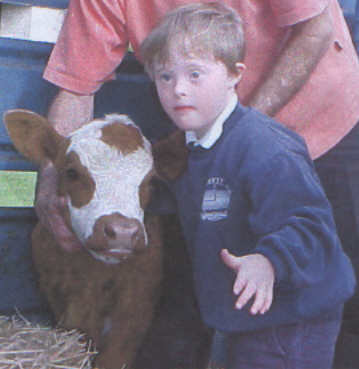
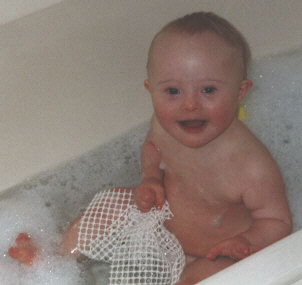
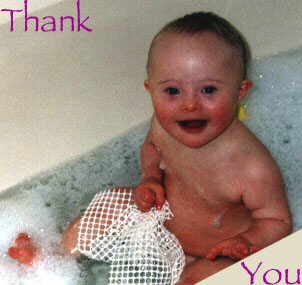
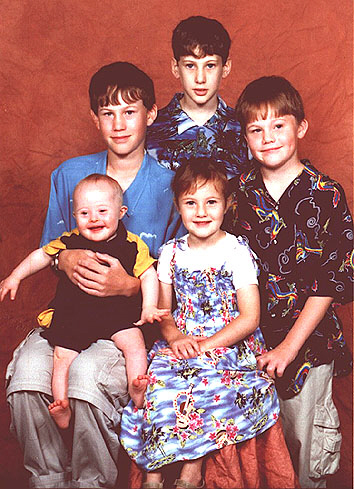
Jacob, a child with Down Syndrome, enjoying a family holiday and browsing in shops, like any other 5 year old child wouldJacob looking at books and watching TV at age 6 years - Down Syndrome doesn't stop normal development, but social attitudes do. - Jacob, a baby with Down Syndrome - Jacob at one year of age

Down Syndrome

Down syndrome raises a number of important questions to parents of Down syndrome children, to other care givers and specialists who are required to work with those with a Down syndrome diagnosis, to people in the greater community, such as grand parents, friends, distant family members, neighbours ... and the list goes on ... children with Down syndrome will normally interact in a large way with many people outside the nuclear family now.

Contents: The big questions people have are:

  • What is Down syndrome?
  • Can you catch Down syndrome from someone?
  • What are the causes of Down syndrome?
  • What are the symptoms of Down syndrome?
  • What are the Down syndrome effects?
  • What treatment for Down syndrome exists?
  • Are there any cures for Down syndrome?
  • Where are pictures / picture of Down syndrome?
  • What are the main Down syndrome facts?
  • What is the history of Down syndrome?
These are the main questions that come to people when Down syndrome enters their field of focus, and yes, they are answered below briefly along with others, and we have focus pages dealing with each of these Down syndrome questions in much greater detail.

What is Down syndrome?

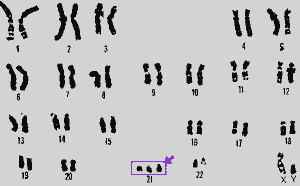
The definition of Down syndrome is the presence of an extra "chromosome 21" in the chromosomal makeup of the person. So the person with Down syndrome has three chromosome 21's, where as most people only have two. Hence Down syndrome is sometimes referred to as Trisomy 21- tri means 3, somy means chromosome, and 21 is the chromosome it is in reference to.

Down syndrome is marked by 3 chromosome 21, instead of just 2

As can be seen in the Down syndrome chromosome photo on the left, chromosome 21 appears 3 times, instead of the standard 2 times.

People with Down syndrome have 47 chromsomes -> 23 pairs (46) + the extra chromosome 21.

This is a male Down syndrome kariotype, as the sex chromosomes are X and Y. The female Down syndrome kariotype would have had 2 chromosome X.

You can still get dignosis Down syndrome, if the person has two and a bit, of chromosome 21's present. Most people with Down syndrome have the 3 full chromosome 21's.

This is the definition on Down syndrome, that the extra chromosome 21 or bit of the extra chromosome 21, exists in every cell of the body. The error in chromosomal replication starts with the conception. We don't know why the error occurs.

There is a form of Down syndrome called mozaic Down syndrome. The defintion of mozaic Down syndrome, is esssentially the same as normal Down syndrome, except that the extra chromosome does not exists in all cells of the individual.

Mozaic Down syndrome appears to occur during the pregnancy as a result of a chromosomal error occuring in replication. So the later it occurs, the less of the individual is affected, and the Down syndrome effects then only show up in those body parts or organs so affected.

Can Down syndrome be caught off someone else?

No, Down syndrome is not contagious. It is a genetic/chromosomal difference - some may equate it to a birth defect, others to a birth enhancement.

What are the causes of Down syndrome?

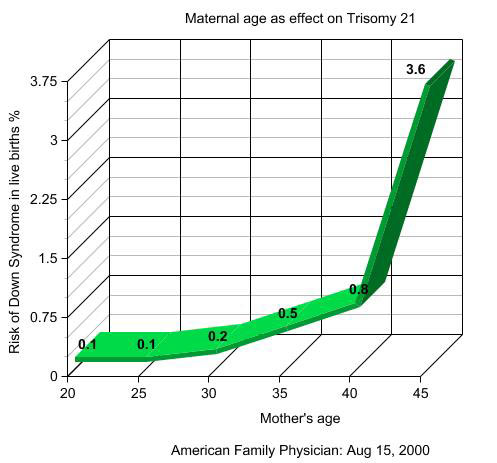
The causes of Down syndrome are becoming more and more transparent as time and science move on. We know that certain things like smoking, mothers age, fathers age can be causes of Down syndrome, but we don't yet understand why these things cause Down syndrome.

To be precise, when we say such factors as mothers age causes Down syndrome, we are actually saying that the cause increases the risk of Down syndrome, not that there is a direct eg " I'm 45, therefore my pregnancy must be Down syndrome", it's more like, " I'm 45 and I have about a 5% chance, whereas before, the chance of me having a Down syndrome pregnancy was much, much lower".

Finally, you may hear about Translocation Trisomy 21 this is the extra bit of chromosome 21 mentioned higher above in the section "What is Down syndrome?". The person may have the extra bit of chromsome 21 and not display any sign of having Down syndrome themselves, but, when they have children, that extra may be passed on, and the child may obviously have Down syndrome. We don't understand why the same genetic material can have apparently no effect on the parent, yet have such a dramatic effect on the child.

What are the symptoms of Down Syndrome?

The symptoms of Down syndrome are extremely many and varied. Down syndrome symptoms normally are not unique to someone with Down syndrome, it's just that people with Down syndrome come down with them more than most people generally do. It is also important to realise that not everyone with Down syndrome will share the same symptoms. The symptoms of Down syndrome tend to be very unique in a way, from one person or child with Down syndrome to the next.

However, the main common symptom of Down syndrome is developmental delay, which starts more obviously at birth for the most part with the forming brain.

Other symptoms of Down syndrome include Heart disease, leukemia and other Down syndrome health issues, speech and walking delays, early onset Alzheimer disease and dementia and decreased risk of certain cancers. Solid tumors are very rare in people with Down syndrome.

As well, they tend to be short in stature, somewhat overweight, and have unique looking eyes - they tend to have a specific set of physical characteristic appearance.

Another almost universal symptom of Down syndrome is hypotonia - low muscle tone - and it is important to understand that hypotonia also impacts on everything that children with Down syndrome do. Even just sitting requires the use of muscles, and if they are forced to keep using the same muscle group for long periods then this can then cause tiredness and concentration problems. Even potty training and toilet training can be affected significantly by hypotonia.

The hypotonia symptoms of Down syndrome are so enormous and impacting, that we have devoted a further three (total 4 ) focus pages to it alone: Hypotonia - Diagnosis, Causes and Treatment Exercises to help overcome hypotonia Neonatal hypotonia - central and peripheral hypotonia

What are the Down syndrome effects?

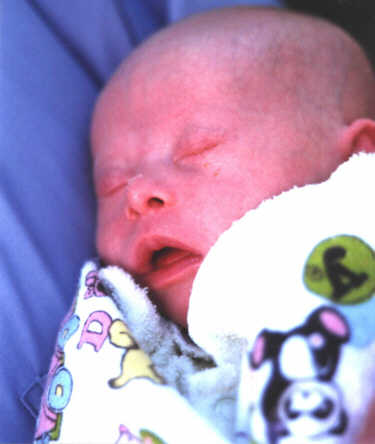
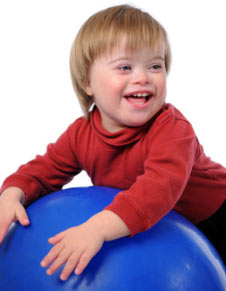
Infant with Downs syndrome

Down syndrome often strikes fear and dread in an expectant mother's and father's heart. The Down syndrome diagnosis brings forth images of retarded children, unable to do the simplest, most mediocre things. Many people still view Down syndrome people as being unable to take care for themselves and unable to partake in life in any real way.

Down syndrome children are also imagined to be a sentence for the parents, with almost enslavement mentality to having to care for their Down syndrome children or child for the rest of their lives.

Interspersed with those by and large misconceptions of Down syndrome, are also sometimes interwined thoughts of excessively strong, abusive Down syndrome children and adults, who cant possibly fit into normal society.

Yes, the negative stereotypes associated with Down syndrome are considerable and remain in many parts of the greater society.

Down syndrome stereotypes abound, with professionals often advising parents of the need to consider aborting their Down syndrome child, referring the parents of the Down syndrome pregnancy to specialists for counselling about whether to keep their Down syndrome child. Everyone with Down syndrome may be discriminated against, even while they reside in their mother's womb.

Yes, the diagnosis of Down syndrome has many pretty scary images. BUT these are images, perceptions, fantasies, sterotypes which border on being nothing less than racial prejudice and hysteria, born more in ignorance of reality than anything else.

Children and adults with Down syndrome tend to have more physical and health problems, such as with their eyes, hearing, hearts and digestive tracts, and tend to be much slower in learning new material.

The Down syndrome effects that are physical can normally all be cured through surgery and proper intervention.

The slower learning means that they can learn and develop cognitively, and most with Down syndrome can live and work independently from their parents as adults, with only minimal help from a care provider being required.

Adults and children with Down syndrome will form friendships, find clubs to be a part of, develop hobbies, and so on.

The Down syndrome effects can be quite obvious at the school level, where much human support is mostly required to help them to learn, but learn they do.

Maybe not rocket scientists yet, but they can certainly forge lives worth living when encouraged to, develop work and careers, and some go on to be high achievers, even though they may be slower in thinking and learning.

Down syndrome effects are largely determined by the society and family in which the Down syndrome child is raised. If they are raised with violence and nastiness and bullying, expect to get the same from them. If they are raised with love and understanding, expect that in return.

Just like 'normal' kids!

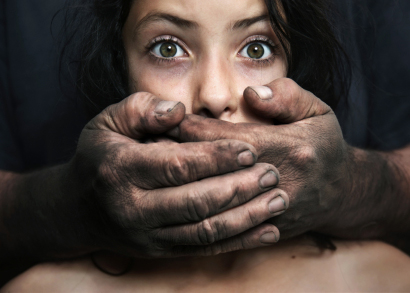
On a much darker note, because of these stereotypes of children with Down syndrome, they are more likely to be sexually abused, or abused in many other ways, and the perpetrators can and do get away with it, because the child with Down's syndrome is unable to communicate, or, if the child does communicate, is more likely to be disbelieved. Training children with Down syndrome about sexual abuse and what to do about, is therefore vital.

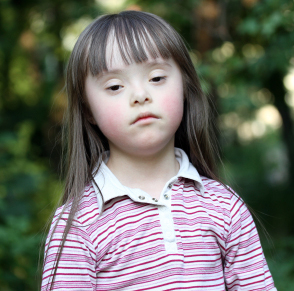
Picture/s of Down syndrome

We actually have pictures of adults, teenagers, toddlers, baby, and children with Down syndrome. Here you can find most of the Down syndrome pictures. Most of the pictures are of children with Down syndrome. You can find many pictures of Jacob, my son with Down syndrome, throughout this site.

What treatment for Down syndrome exists?

Basically as many treatments that exist for everyone in the greater community, also exist for those with Down syndrom. As the three chromosome 21's normally reside in every cell of the body, the result is that just about any structure or organ may require repair or intervention. Our Down syndrome health page covers this amply.

The only things we cant treat completely at this time relate to the brain function - intelligence and so on - but we are getting there as well. Some are focusing on smart drugs for Down syndrome that specifically enhance cognitive performance in those with Down syndrome.

We also have treatment for Down syndrome focus pages on: The Doman Delacato Method and Dolphin Therapy and Glyconutrients eg Ambrotose Mannatech and The Specific Carbohydrate Diet and Down Syndrome Vitamins - The Claims + Down syndrome vitamins - The cons and the use of DMSO.

Are there any cures for Down syndrome?

Cures for Down syndrome are very far off into the future, but being able to counteract the effects of the extra genes may be much closer than we think possible, especially with genetic ehancement of intelligence and learning in those with Down syndrome - Scientists have now identified the genes that cause the intellectual and learning impairments we see in Down syndrome. Some believe that we will have substantially cured the effects of Down syndrome within the next decade or so.

What are the Down syndrome facts?

Down syndrome is the most common chromosomal disorder in humans, with a frequency of 1 in 800 live births.

It is the most common cause of developmental delay and of intellectual delay.

Prior to heart surgery developing, Down syndrome babies rarely lived beyond one year of age.

Leukemia - cancer of the blood - still takes a toll on a significant number of toddlers with Down syndrome, around the age of two years. One of Jacobs friends with Down syndrome came down with this, but with modern advances in treatment, leukemia can often be beaten in most cases now.

So the Down syndrome life expectancy has been increasing dramatically over the last few years. With the increase in life expectancy, we may also see more 'normal' age-related health problems developing, such as cholesterol and hemorrhoids.

Hypotonia - low muscle tone - is almost universal amongst those with Down syndrome.

There are many, many Down syndrome facts.

What is the history of Down syndrome?

Our earliest records related to Down syndrome history, come from an Indian tribe, who apparently attributed them a demi-god status, many 100's of years ago.

Then people with Down syndrome were essentially lost from history, and didn't really appear until quite late in history, till the 1800's.

Then there was little advancement until late mid-1900's, when people realized that Down syndrome children could thrive and prosper in the greater community. Prior to then, babies with Down syndrome were typically coerced from their parents and put into institutions for life.

Our son Jacob and Down syndrome

A guide for the Down syndrome developmental milestones, a test of the Down syndrome treatments, and how others reacted to us having Jacob: Responses to Down Syndrome Babies and Jacob's Development with Down Syndrome prior age 5 years and Jacob's Development with Down Syndrome since starting normal School and What's it really like raising a child with Down Syndrome

Not sure which Down syndrome link to click on?

You can find a summary of most of the pages on our keeping our Down syndrome web site affirmative action page. Down Syndrome and Other Links

Want more information on Down Syndrome here? Just email with your question.

Please note that due to increasing pressures and demands, that we are often unable to respond to individual emails.

But first, if you want to come back to this Down Syndrome web site at www.cdadc.com, just add it to your bookmarks or favorites now! Then you'll find it easy!


Hi, if you want to contribute financially to say thank you or help us build this site up with even more content, just click the donation button below. Thank you. Donald.


Our Privacy Policy can be found at www.cholesterolcholestrol.com/privacypolicy.htm

Copyright © 2000-present Donald Urquhart. All Rights Reserved. All universal rights reserved. Designated trademarks and brands are the property of their respective owners. Use of this Web site constitutes acceptance of our legal disclaimer.

WANT TO HELP? ABOUT US CONTACT US